No products
To be determined
Shipping
RM0.00
Total
Prices are tax excluded

_result.jpg)
.png)
.png)

 INVERTER TIG WELDING MACHINE CW ASSY SWTIG200S (6).jpg)

New
380000 Item Items
Warning: Last items in stock!
Availability date:

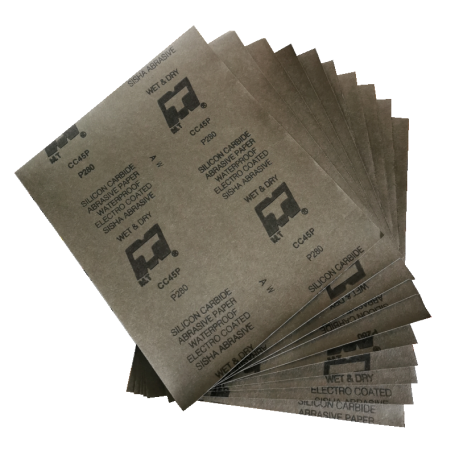
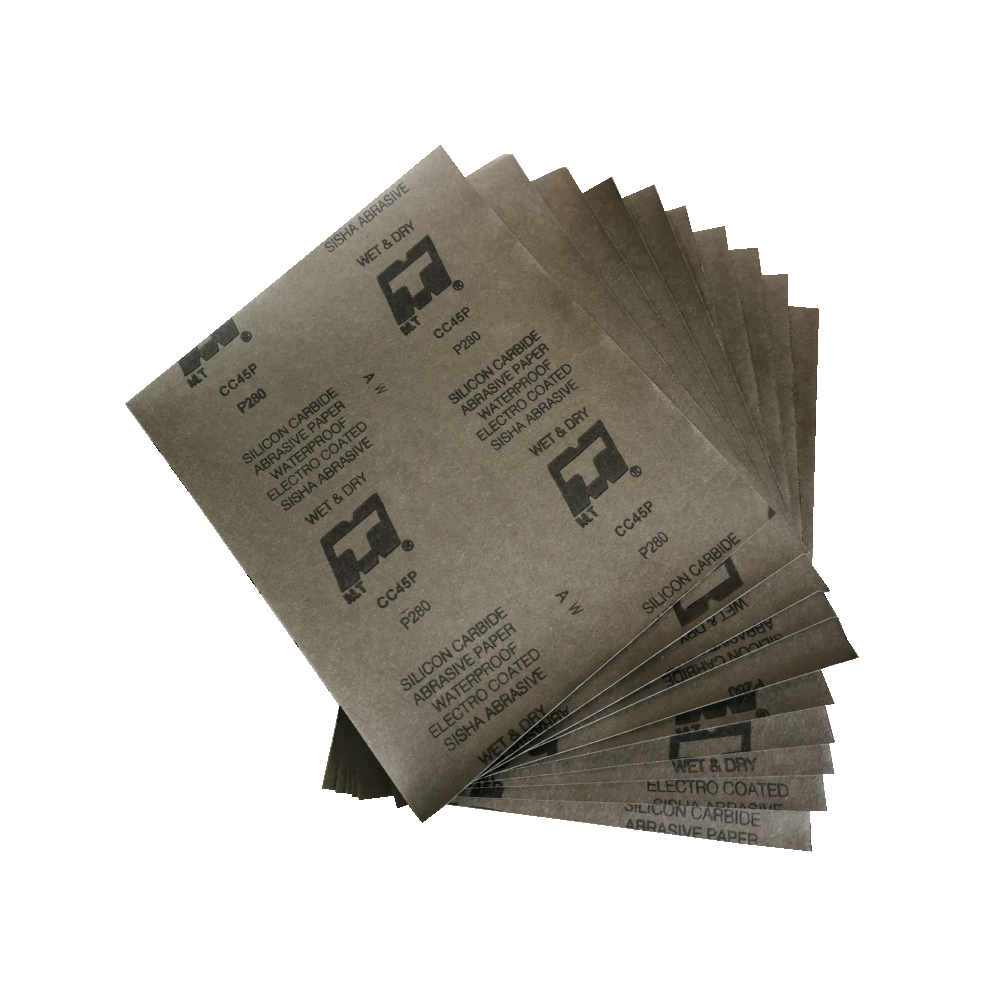
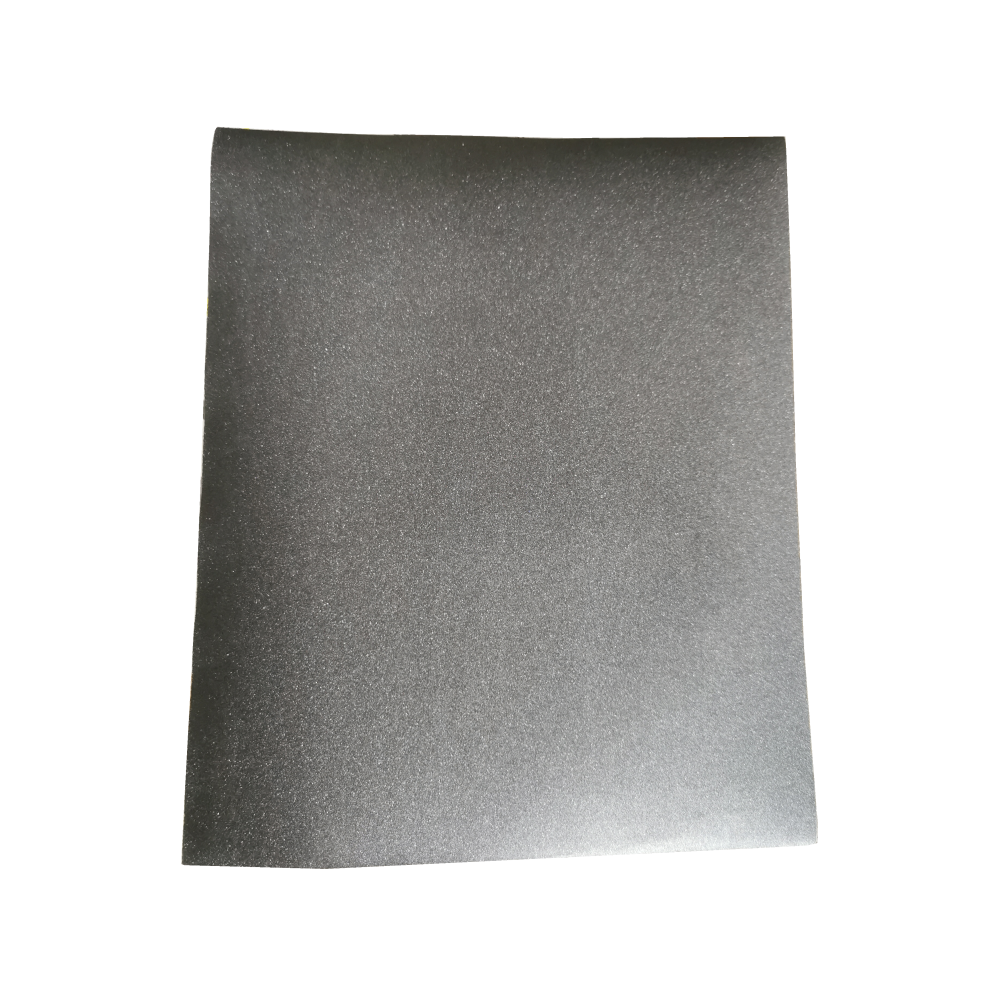
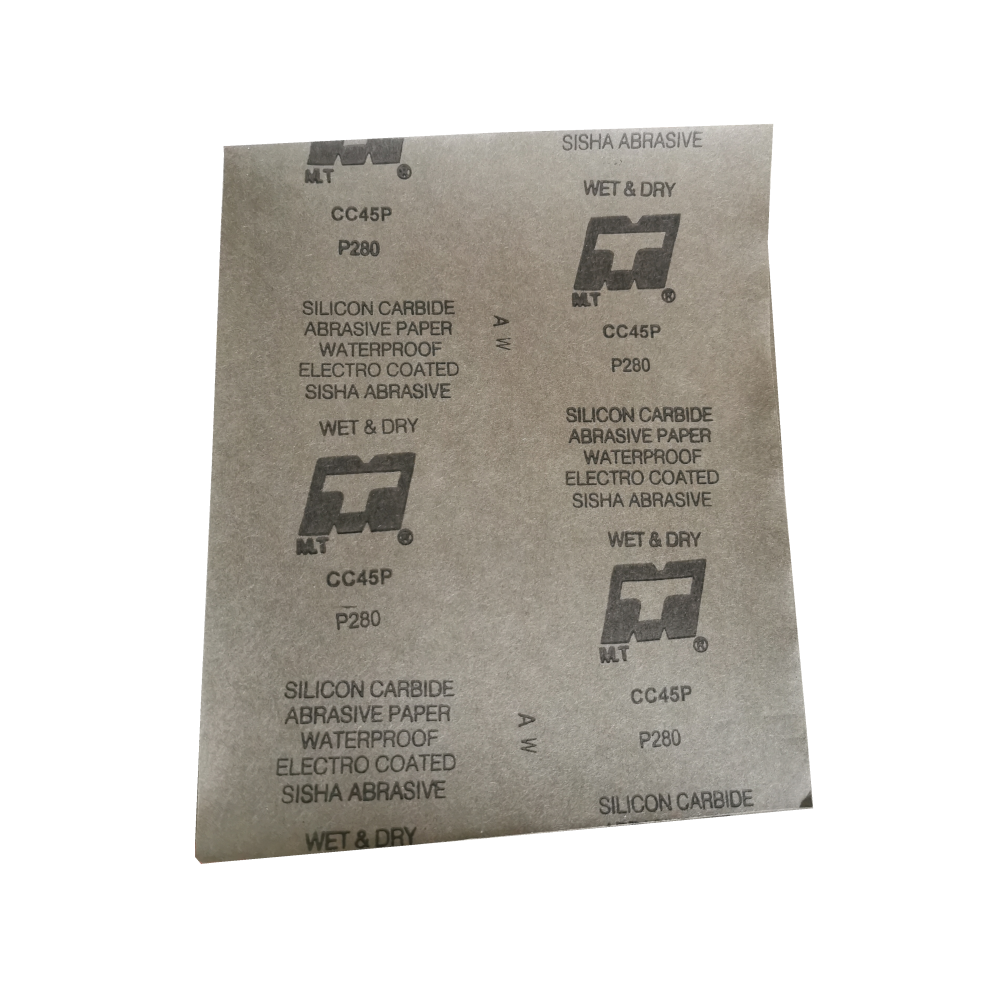
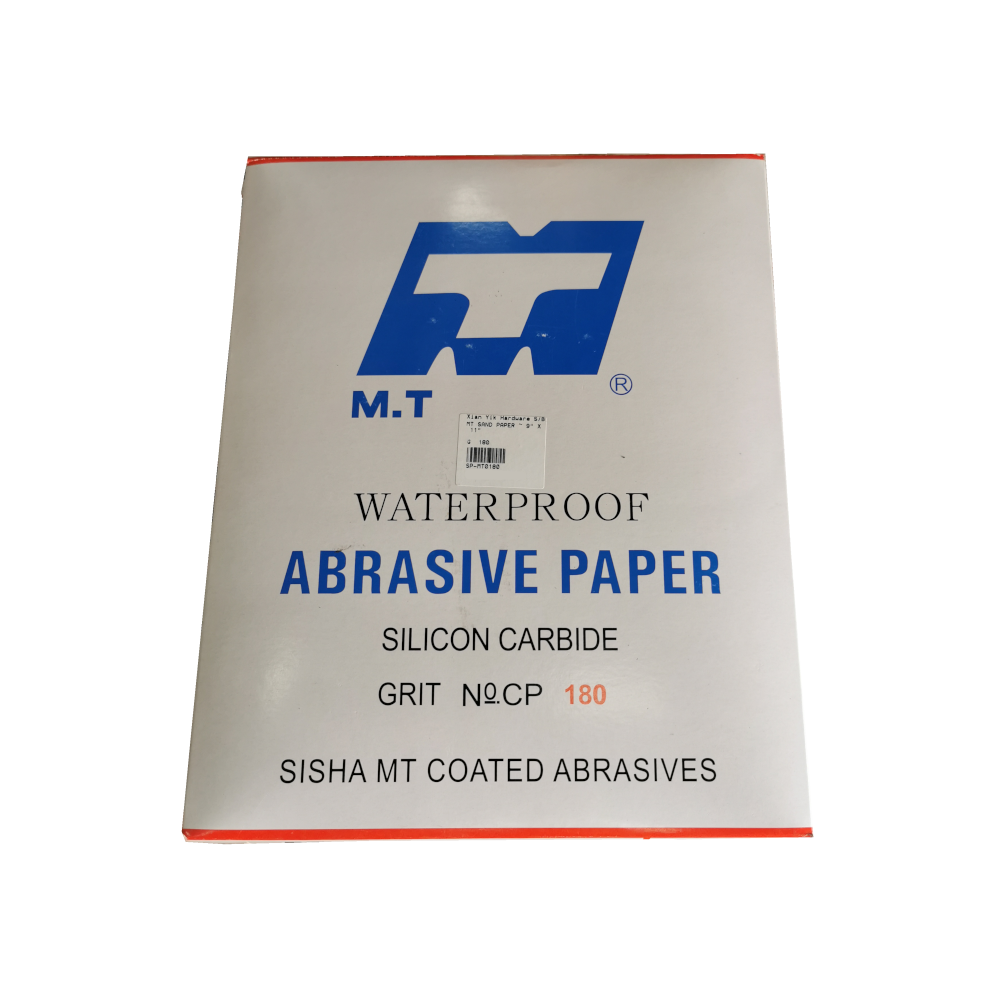
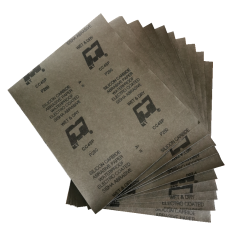
This type of sandpaper is a popular choice for a variety of finishing and sanding applications.
Here are the key characteristics and typical uses:
Abrasive Material: Silicon Carbide (SiC). This is a very sharp, hard, and fast-cutting abrasive, known for producing fine finishes, especially in higher grits. It is typically faster than Aluminum Oxide sandpaper.
Waterproof: It has a waterproof backing (often paper or a resin-over-resin bond) that allows it to be used for wet sanding or dry sanding.
Wet Sanding Advantage: Using water (or a lubricant) reduces heat, flushes away sanding dust and debris (preventing clogging or "loading" of the paper), and helps achieve an ultra-smooth finish.
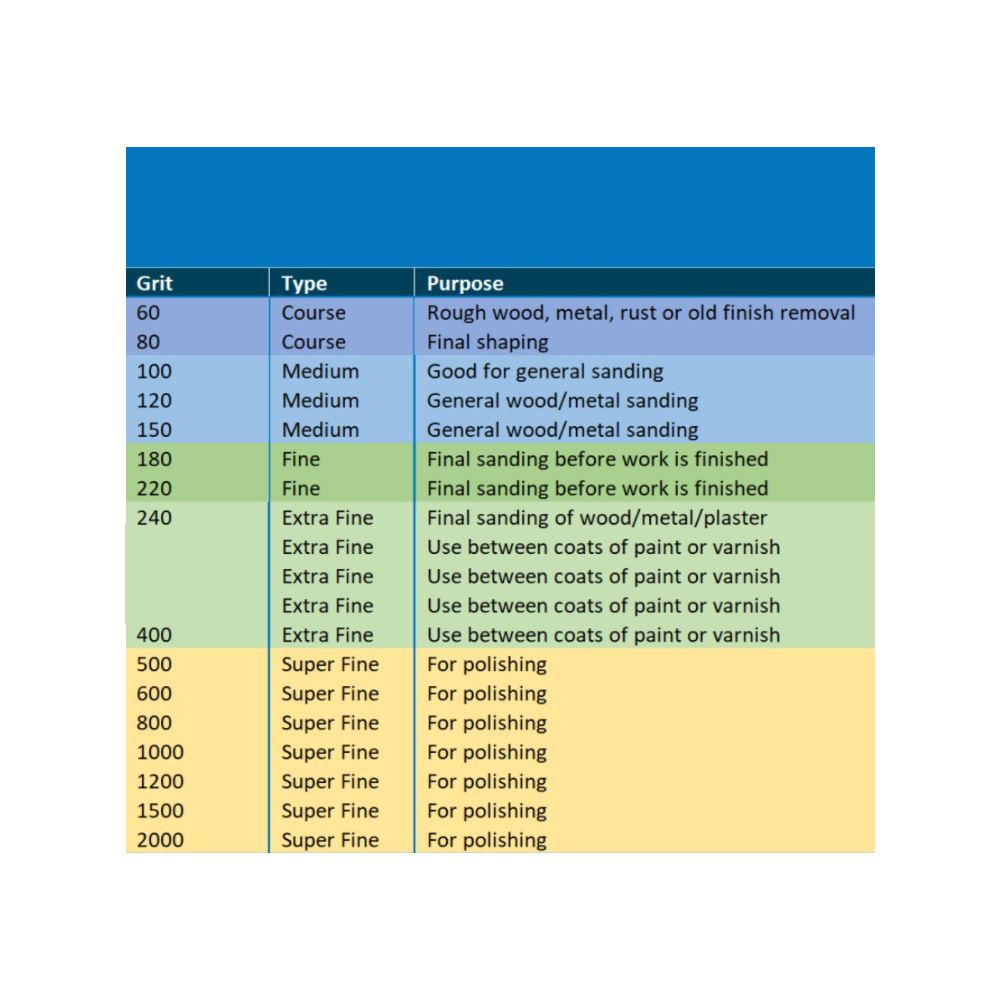
Grit Range: MT brand typically offers a wide range of grits, often from coarse grades like P60 or P80 up to very fine grades like P2000 or even P3000 and P5000.
Note: Lower grit numbers are coarse for heavy material removal; higher grit numbers are fine for smoothing and polishing.
Size: Commonly sold in standard sheet sizes, such as $230 text{mm} times 280 text{mm}$ ($9 text{in} times 11 text{in}$).
Silicon Carbide waterproof abrasive paper is widely used in industries requiring high-quality surface finishes:
Automotive Detailing & Repair:
Sanding primers, paint, and clear coats (often wet sanding) to remove defects and prepare for polishing.
Restoring car headlights.
Woodworking & Furniture Finishing:
Sanding wood, sealers, and varnish, especially for a final, smooth finish.
Metalworking:
Sanding and polishing metal surfaces, including ferrous and non-ferrous metals, to remove imperfections and achieve a smooth texture.
Plastics & Composites:
Working on fiberglass, plastics, marble, and ceramics.

No customer reviews for the moment.
Viewed products
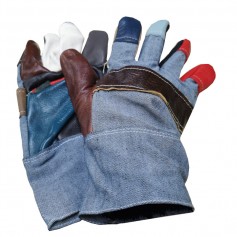
PRICE PER PAIR
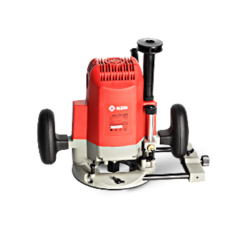
MODEL: 3912BS M1R-SH01-12...