No products
To be determined
Shipping
RM0.00
Total
Prices are tax excluded

_result.jpg)
.png)
.png)



 INVERTER TIG WELDING MACHINE CW ASSY SWTIG200S (6).jpg)

W049-118
New
10 Item Items
Warning: Last items in stock!
Availability date:

Acetylene presents unique safety requirements due to its chemical instability under pressure and its flammability. This is why the working pressure for acetylene equipment is significantly lower than for other industrial gases like oxygen or argon.
Acetylene is unstable and prone to explosive decomposition when stored or used at high pressures.
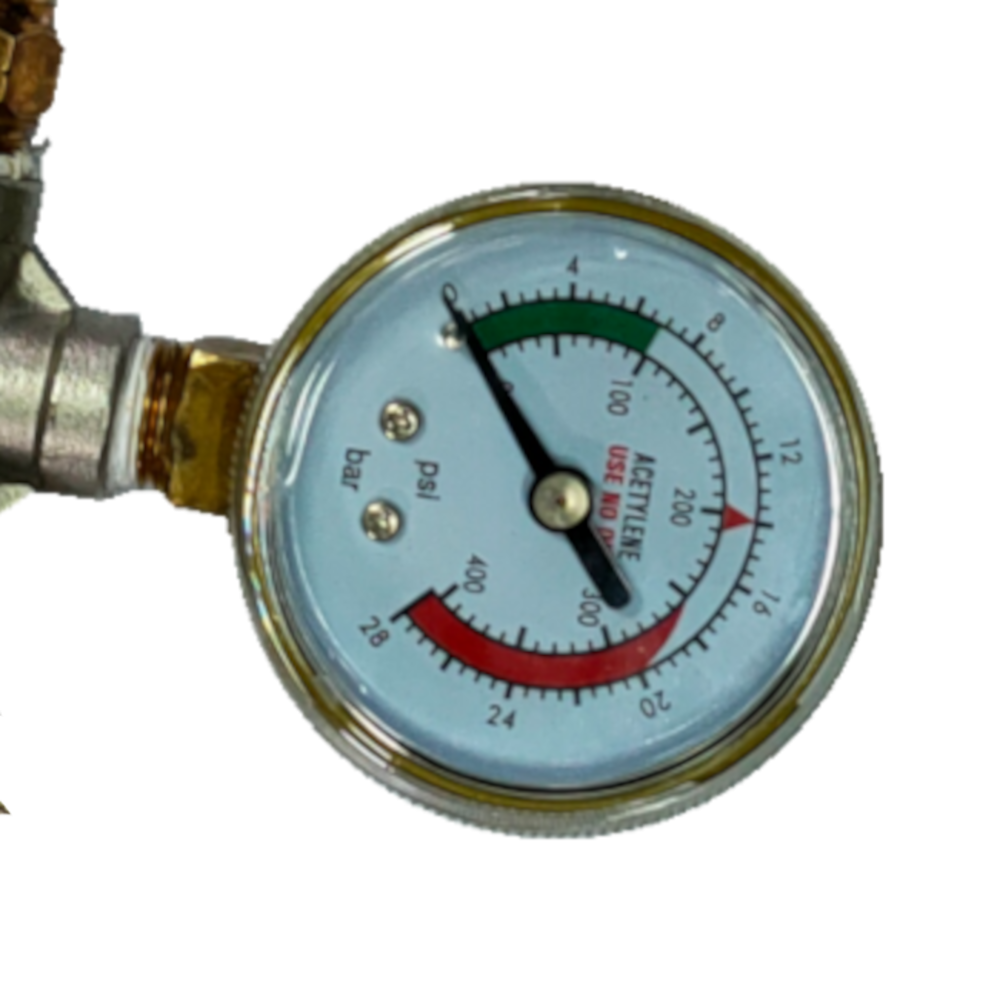
NEVER exceed 15 PSI (1.03 bar / 103 kPa gauge pressure) for use in blowpipes/torches and pipelines (as per OSHA and similar safety standards).
The cylinder storage pressure is much higher ($approx 250$ psi or $approx 17$ bar) but this gas is dissolved in Acetone within a porous mass to keep it stable.
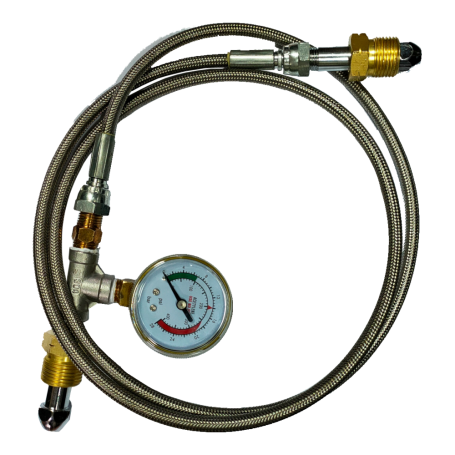
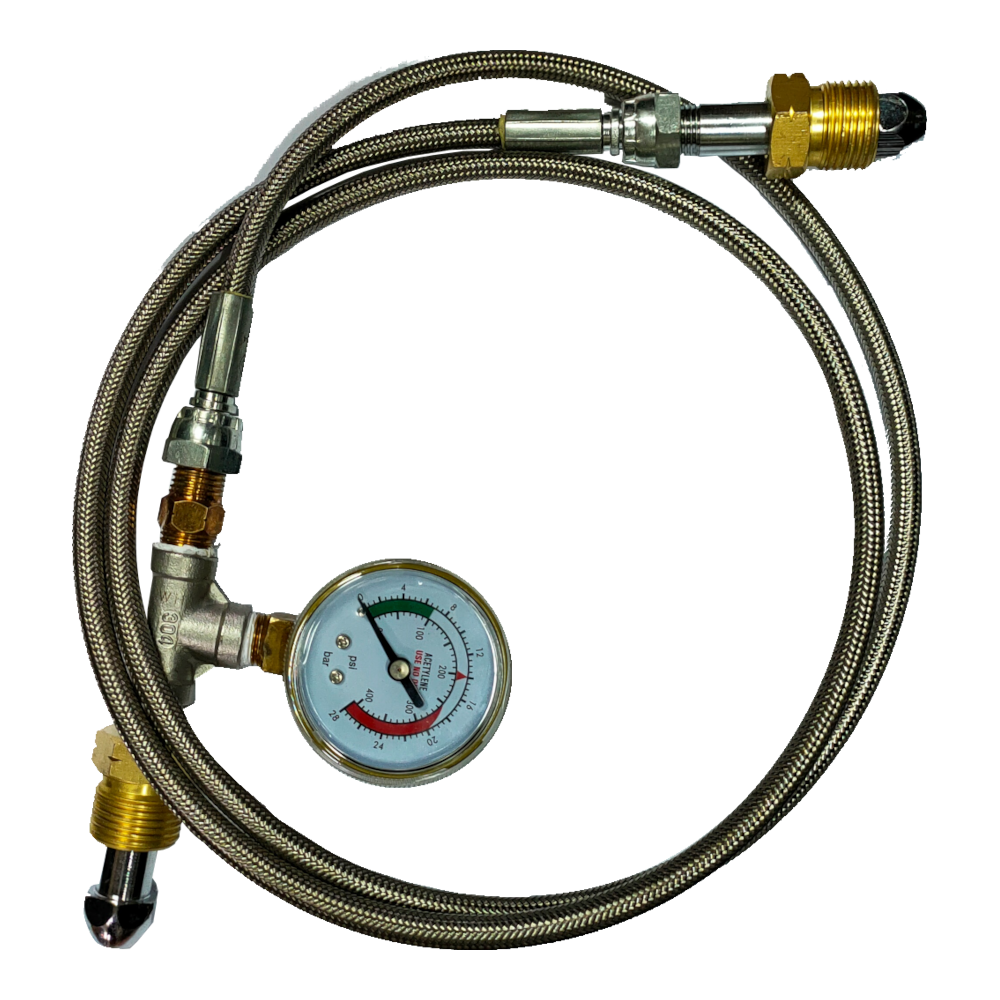
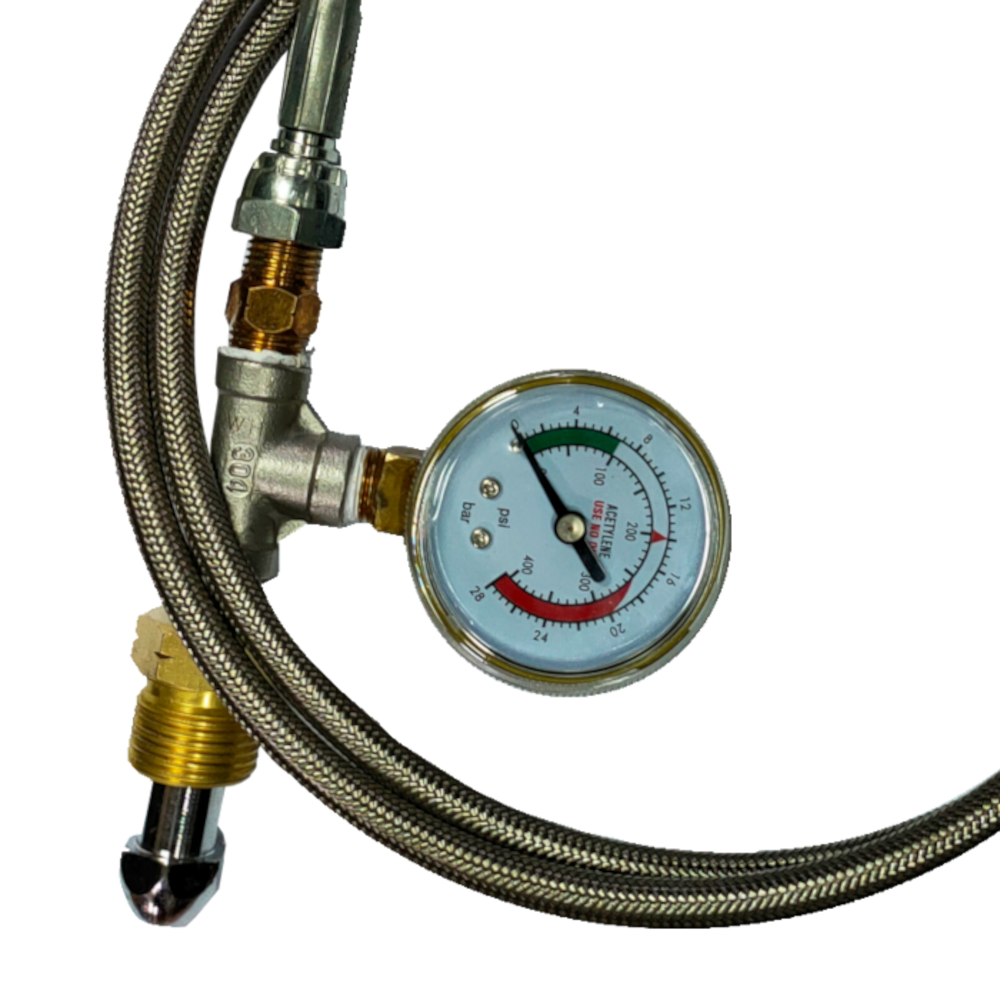
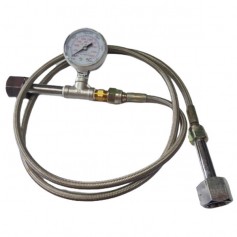
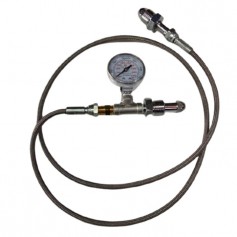
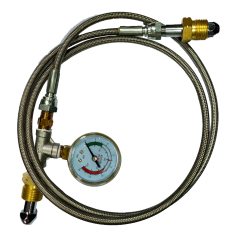
The stainless steel hose/pigtail connecting the cylinder to the manifold is the only part allowed to handle the full cylinder pressure. Manufacturers rate these hoses to handle the high static cylinder pressure (up to 25 bar), but the system immediately down-line must reduce it below the 15 psi usage limit.
Material: The stainless steel corrugated tubing must be chemically compatible with acetylene and its solvent (Acetone).
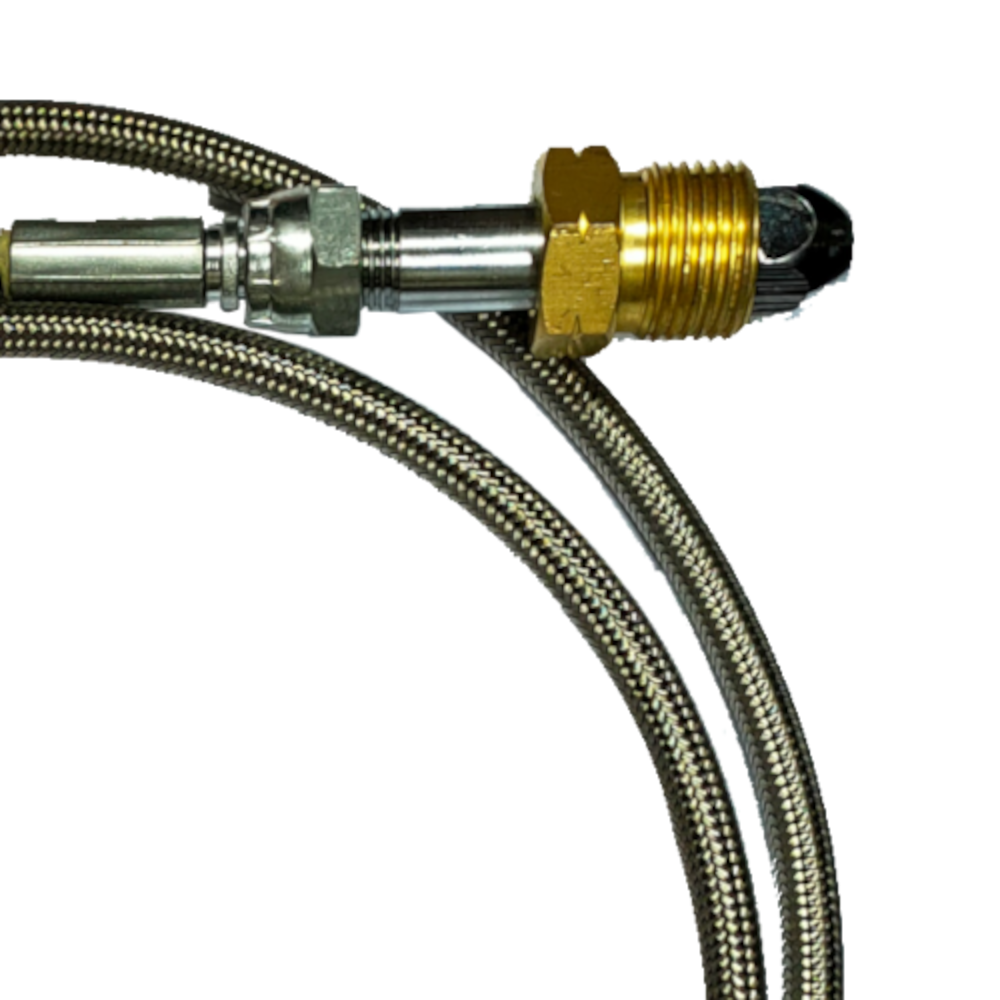
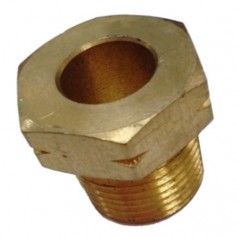
Fittings: All fittings for acetylene are typically threaded with a Left-Hand (LH) thread and often a groove around the nut (like the W21.8 LH standard) to prevent accidental connection to incompatible gases like oxygen (Right-Hand thread).
Safety Features: Reputable industrial hoses often include:
Safety Line/Anti-Whip Cable: A wire or cable along the length to restrain the hose in case of a burst.
Check Valve/Non-Return Valve: Often integrated into the cylinder connection to prevent reverse gas flow or air/oxygen from back-feeding into the acetylene cylinder (a flashback risk).

No customer reviews for the moment.
Viewed products
MODEL: 1600SS / 1600SI...