No products
To be determined
Shipping
RM0.00
Total
Prices are tax excluded

_result.jpg)
.png)
.png)

 INVERTER TIG WELDING MACHINE CW ASSY SWTIG200S (6).jpg)

FS-86614
New
10 Item Items
Warning: Last items in stock!
Availability date:

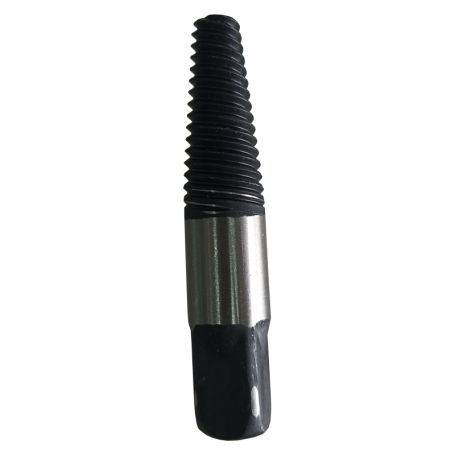
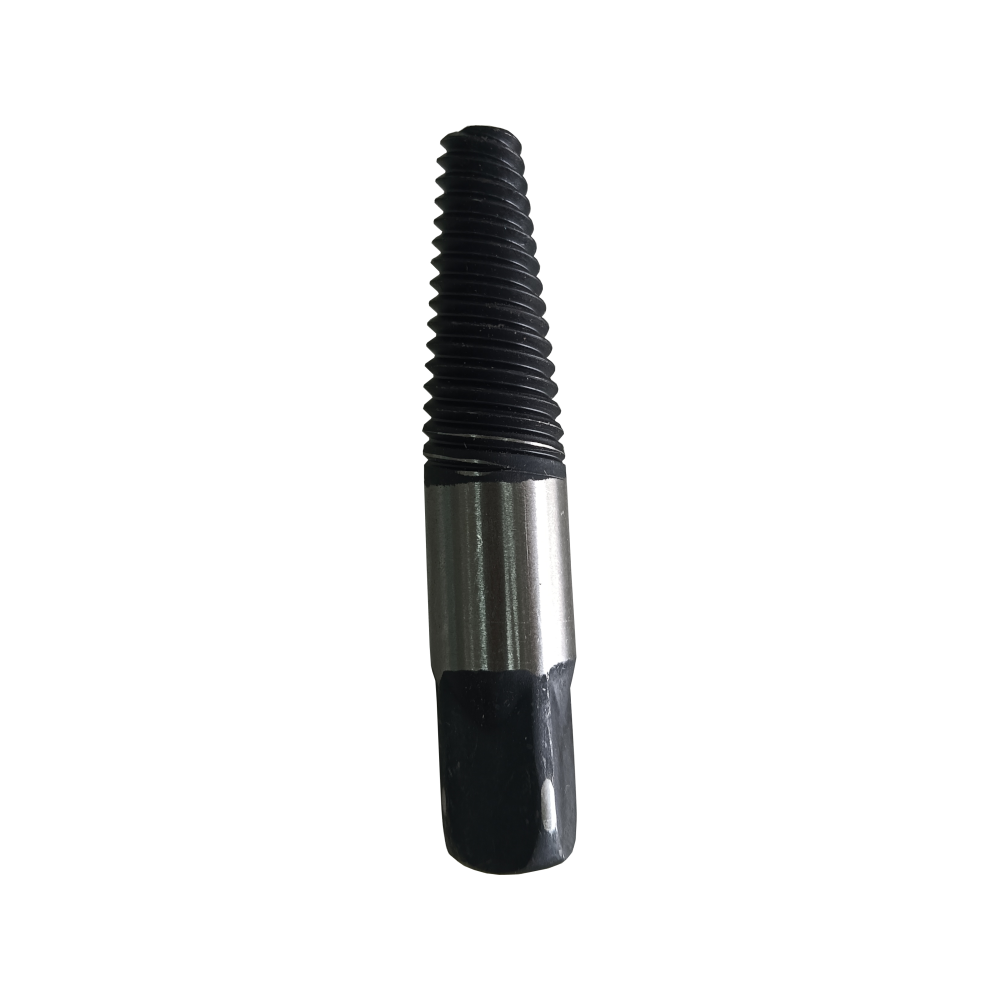
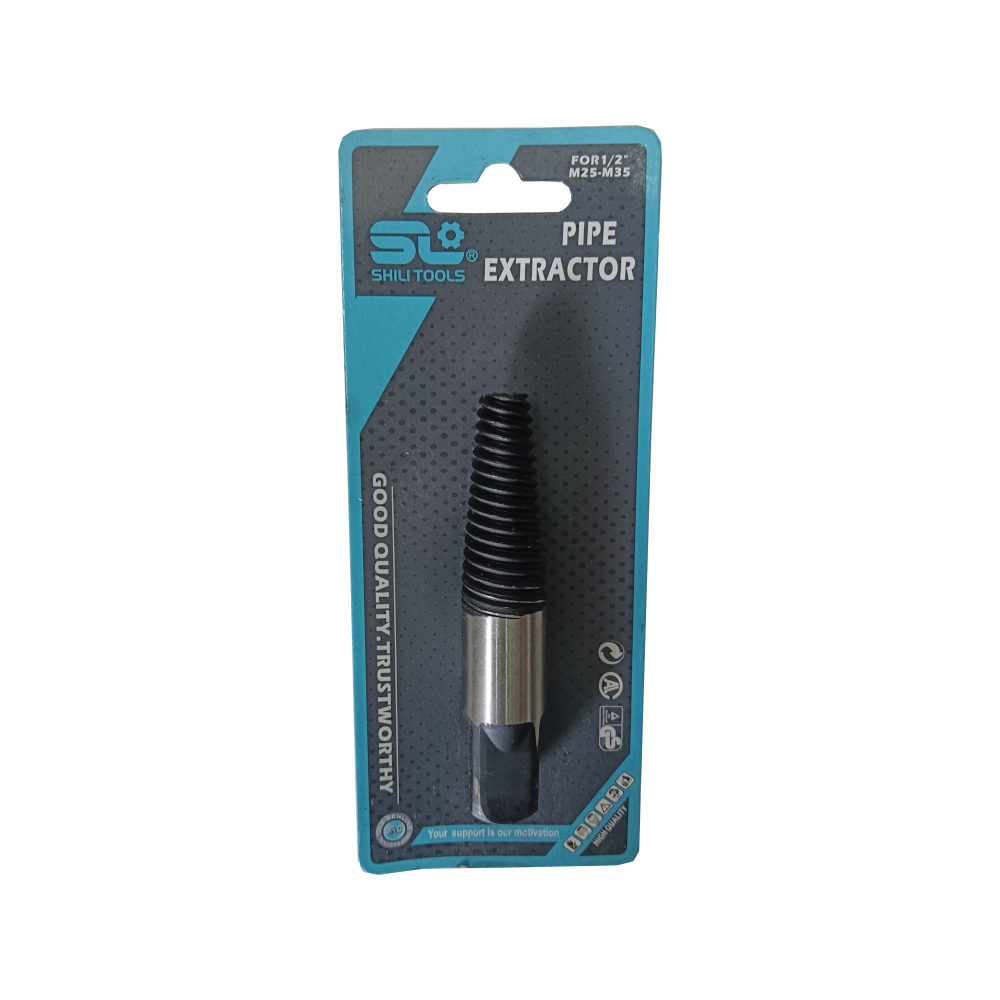
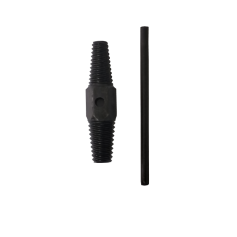
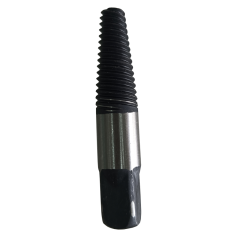
Dealing with a broken pipe, especially a 1/2" (half-inch) one, can be frustrating since it usually breaks off flush with the wall or fitting. A pipe extractor is specifically designed to grip the inside of that broken piece so you can back it out.
Depending on how the pipe broke, you’ll likely need one of these two styles:
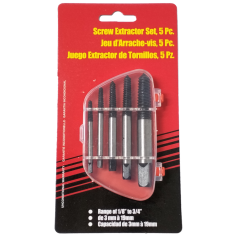
Spiral / Tapered Extractor: Looks like a large, thick screw with reverse threads. It "bites" into the inner walls of the pipe as you turn it counter-clockwise.
Internal Pipe Wrench (Cam-Action): Uses an eccentric (off-center) gear that expands and grips the pipe wall from the inside. This is often better for thinner pipes like PVC or brass nipples.
Preparation: If the pipe is metal and rusted, spray penetrating oil (like WD-40 Specialist or PB Blaster) into the threads and let it sit for at least 15–30 minutes.
Insertion: * For a Spiral Extractor: Tap it lightly with a hammer into the broken pipe to ensure the teeth set into the metal.
For an Internal Wrench: Slide it into the opening until it’s fully seated.
The Extraction: Attach a wrench (or the included handle) to the square end of the extractor. Turn it counter-clockwise slowly.
Pro Tip: Apply steady, firm pressure. If you jerky the wrench, you risk snapping the extractor or further damaging the threads.
Cleaning: Once the broken piece is out, use a wire brush to clean the internal threads of the fitting before installing a new pipe.
RIDGID: The industry standard (Model 35610 is the specific 1/2" version).
Superior Tool: Widely available at big-box hardware stores like Home Depot or Lowe's.
Irwin / Hanson: Good for general-purpose sets.

No customer reviews for the moment.
Viewed products