No products
To be determined
Shipping
RM0.00
Total
Prices are tax excluded

_result.jpg)
.png)
.png)


 INVERTER TIG WELDING MACHINE CW ASSY SWTIG200S (6).jpg)

FS-86646
New
10 Item Items
Warning: Last items in stock!
Availability date:

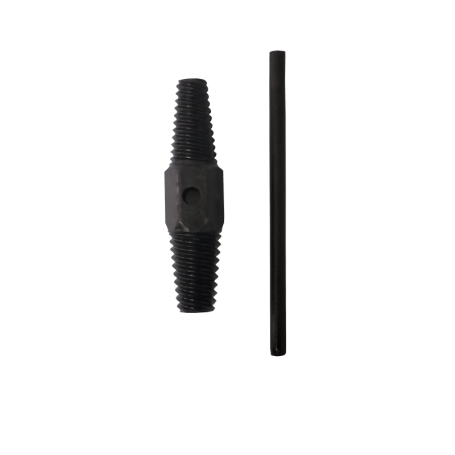
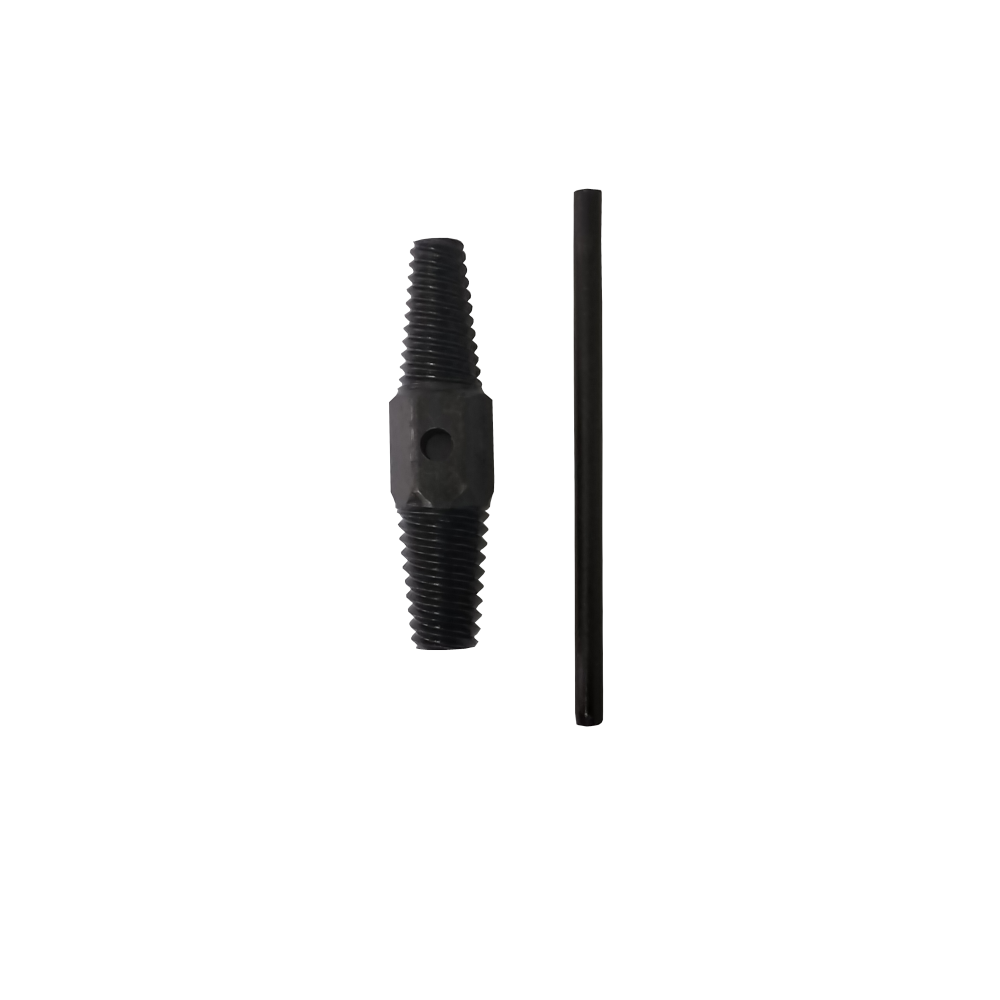
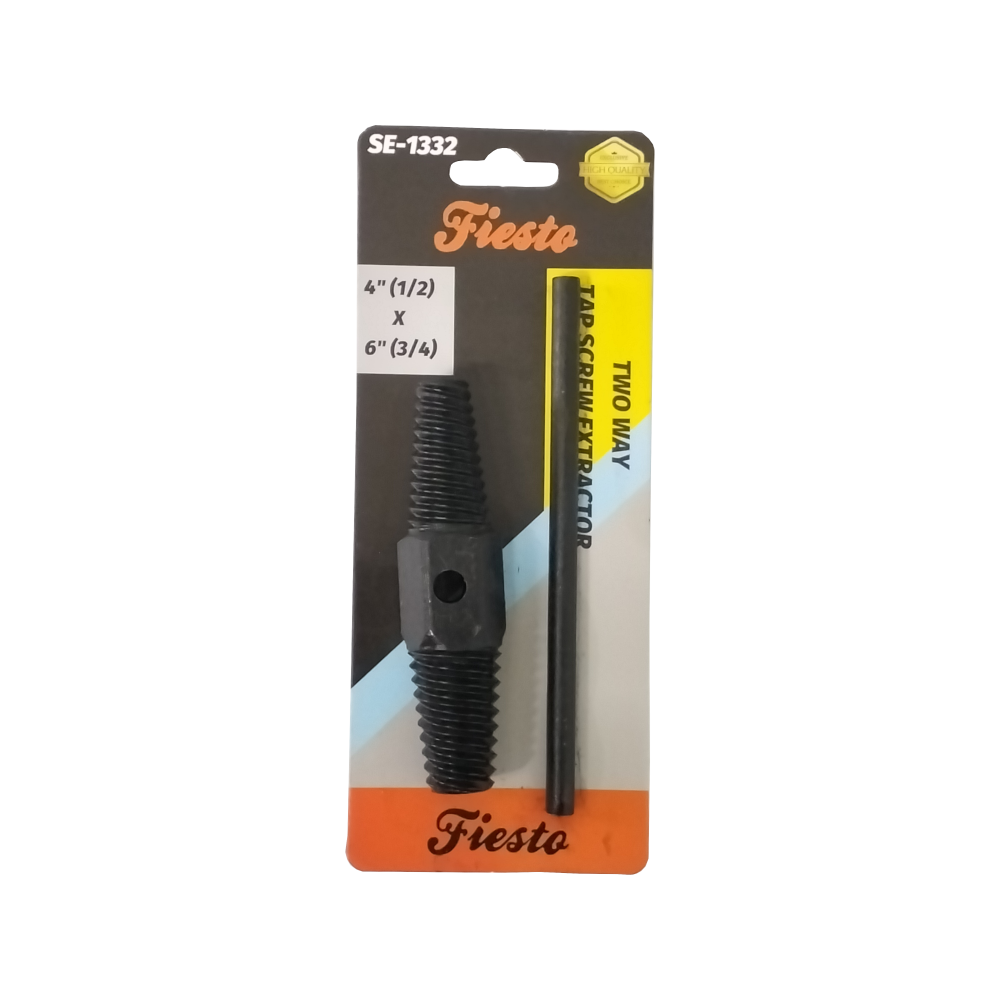
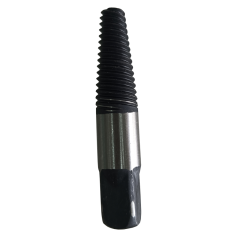
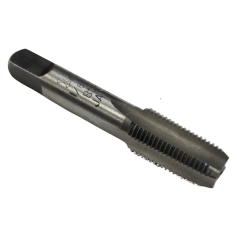
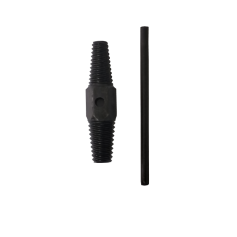
2-Way Pipe Extractor (1/2" x 3/4") is a dual-ended tool designed to remove broken, rusted, or stripped pipe threads that have snapped off inside a fitting or a wall. These are commonly used for water bib taps, faucets, and triangle valves.
The "Left Hand Tap" refers to the reverse threads on the extractor. Since standard plumbing pipes tighten clockwise, the extractor must turn counter-clockwise to "bite" into the pipe and back it out.
Double-Ended Design: One end is sized for 1/2" (DN15) pipes and the other for 3/4" (DN20) pipes.
Material: Usually made of hardened high-carbon steel or GCR15 bearing steel for high torque.
Multi-Purpose: Often includes a "booster bar" (a metal rod that slides through the middle) to provide leverage, or a square head for use with a wrench.
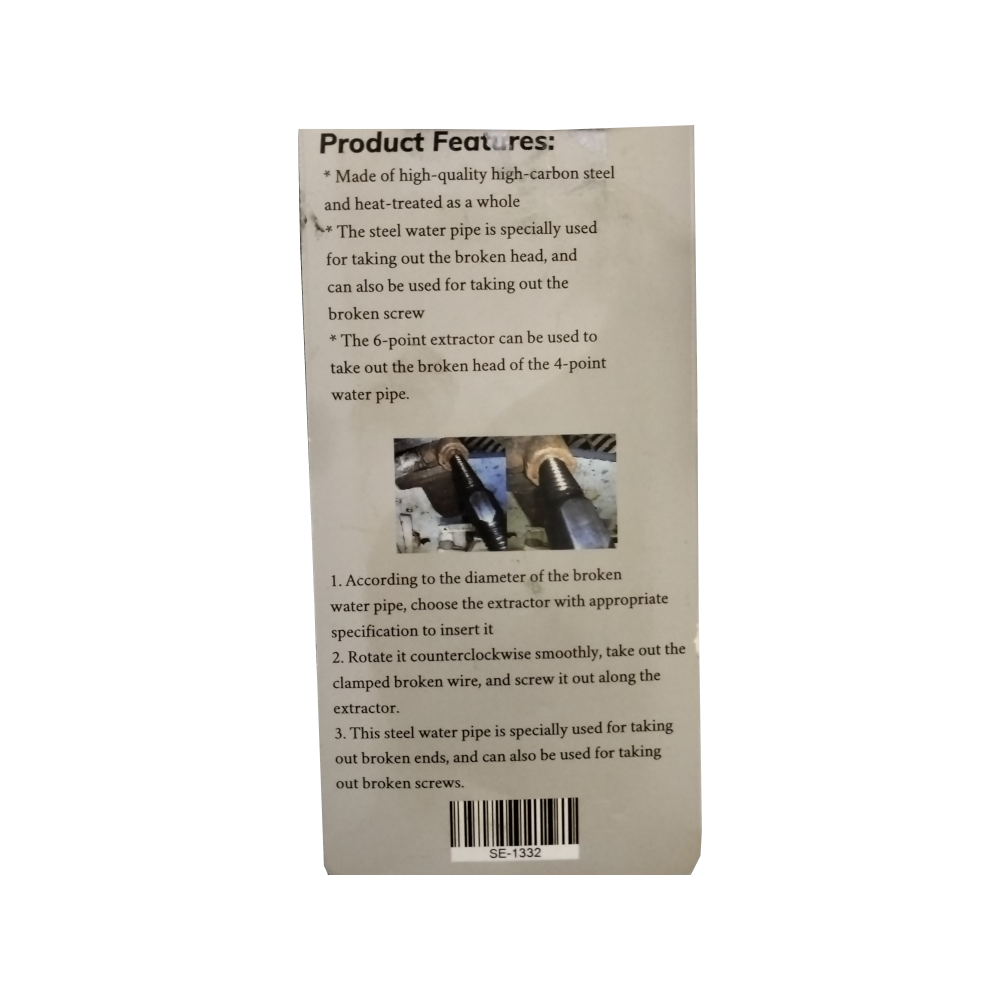
Select the Correct Side: Choose the end of the tool that fits snugly into the inner diameter of the broken pipe.
Insert the Extractor: Push the tool into the broken pipe. If it is a very tight fit, you can tap it lightly with a hammer to ensure the "teeth" of the extractor grip the metal.
Insert the Booster Bar: Slide the included metal handle through the hole in the center of the tool. If your tool has a square head, use a crescent wrench or tap wrench instead.
Turn Counter-Clockwise: Turn the tool counter-clockwise (to the left).
As you turn, the left-hand threads of the extractor will drill into the pipe.
Once it "bites" sufficiently, the friction will cause the broken pipe segment to begin unscrewing along with the tool.
Remove the Pipe: Continue turning until the broken piece is completely removed from the wall fitting.
Penetrating Oil: If the pipe is rusted, spray a generous amount of penetrating oil (like WD-40 or PB Blaster) into the threads and wait 15 minutes before attempting extraction.
Apply Heat: For stubborn metal pipes, briefly heating the outer fitting with a torch can help expand the metal and break the rust seal.
Clean the Threads: After removal, use a wire brush to clean the threads inside the wall before installing a new faucet or valve.


No customer reviews for the moment.
Viewed products
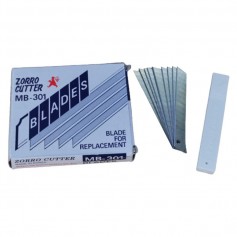
ZORRO Cutter Blade...